



Peugeot’s Ambitious New Flagship: Charting a Course Above the 5008 for a Reimagined Brand Identity
The automotive landscape, particularly within the premium and near-premium segments, is a fiercely competitive battleground. For established brands like Peugeot, navigating this terrain with a clear and compelling product strategy is paramount. Recent murmurs from within the brand suggest a significant strategic consideration: the potential development of a new flagship model, positioned even above the current 5008. This isn’t a simple expansion of the lineup; it’s a bold statement about Peugeot’s future aspirations and its commitment to carving out a distinct and elevated position in the market. After a decade immersed in the intricacies of automotive product planning, market dynamics, and the ever-evolving consumer psyche, I can attest that such a move, if executed with precision and foresight, could redefine Peugeot’s brand perception and unlock new revenue streams, particularly in key global markets like the United States.
The notion of a Peugeot flagship beyond the already substantial 5008 is, frankly, a fascinating prospect. It speaks to a desire to create a halo product, a beacon of innovation and desirability that can elevate the entire brand’s image. Think of it as a statement piece, something that captures attention and generates a sense of aspiration for the Peugeot marque. However, as the brand’s leadership has rightly articulated, the challenge isn’t merely in building a larger, more luxurious vehicle. The true test lies in its ability to be “really different.” This is not a trivial point; it’s the very crux of the matter. In an era where differentiation is king, a generic attempt at a higher-tier offering would likely falter, lost in the noise of established premium players and even strong contenders from brands like Genesis or a potentially re-energized Acura.
My years in this industry have shown me that simply chasing a segment without a unique proposition is a recipe for disappointment. The experience with the now-discontinued 508 serves as a poignant, albeit stark, reminder. While undoubtedly a well-crafted automobile with a credible offering, it found itself in a segment dominated by the likes of the Audi A4 and BMW 3 Series. These are brands with decades of heritage and deeply ingrained consumer perception of luxury and performance. For Peugeot to succeed in a similar vein, or even a more elevated one, it needs to offer something that transcends mere segment classification. It needs an identity, a narrative, and a product that resonates on an emotional level, not just a rational one. This is where the concept of a truly differentiated new Peugeot flagship comes into play.
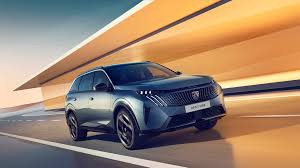
When contemplating the form this potential flagship might take, the answers, as admitted by Peugeot’s leadership, are not yet concrete. This is understandable, as the early stages of such a strategic endeavor involve significant exploration and ideation. However, the mention of leveraging the Stellantis parts bin is an astute observation. The parent company boasts a vast array of platforms, powertrains, and technological components that can be adapted and refined. The key, however, will be in the execution of that adaptation. It cannot feel like a Frankenstein’s monster of existing parts. Instead, it must be a cohesive, purpose-built vehicle that integrates these elements seamlessly into a unique and compelling whole. This is where the “really different” aspect becomes critical.
Perhaps we’re looking at a redefinition of the “flagship” concept altogether. Instead of a traditional large sedan or SUV, could Peugeot explore a more avant-garde approach? Imagine a sleek, technologically advanced coupe or a luxurious grand tourer that embodies the spirit of innovation and French design flair. Or, considering the burgeoning interest in sustainable mobility and advanced electric vehicles, could it be a cutting-edge electric concept that pushes the boundaries of range, performance, and user experience, setting a new benchmark for electric luxury cars? The possibilities are extensive, and the success will hinge on identifying a niche that Peugeot can uniquely own and define. The pursuit of premium electric vehicles and luxury electric SUVs are undeniably strong market trends that a new flagship could capitalize on.
The challenge of advertising and communicating the value of a new, distinct offering cannot be overstated. The brand’s leadership rightly points to the difficulties in generating sufficient noise around models like the 408, despite its undeniable aesthetic appeal. This highlights a broader challenge for brands aiming to ascend the market hierarchy: building brand awareness and communicating a new value proposition effectively. A flagship product needs more than just excellent engineering; it requires a robust marketing strategy that tells a compelling story and connects with the target audience on an emotional level. For a new flagship car from Peugeot, this means creating a narrative that transcends mere automotive features and delves into the experience, the lifestyle, and the aspirations that the vehicle represents. The investment in automotive marketing for luxury brands is crucial here.
From an industry expert’s perspective, the successful launch of a new Peugeot flagship car would necessitate a multi-pronged approach. Firstly, the product itself must be exceptional. This means not only in terms of design and performance but also in its technological integration, material quality, and overall refinement. It needs to offer a tangible step up from the existing lineup, justifying a higher price point and competing with established premium marques. This could involve venturing into areas like advanced driver-assistance systems (ADAS) that are truly class-leading, next-generation infotainment, and bespoke interior craftsmanship. The pursuit of cutting-edge automotive technology is non-negotiable for any vehicle aiming for the top tier.
Secondly, the brand narrative needs to be meticulously crafted. Peugeot has a rich heritage of design and innovation. Tapping into this legacy while simultaneously projecting a forward-looking vision will be essential. Think of the iconic designs of the past, reinterpreted through a modern lens, combined with a commitment to the future of mobility. This isn’t just about selling cars; it’s about selling an experience, a lifestyle, and a sense of belonging to an exclusive club of discerning drivers. This is where understanding consumer automotive trends and developing new car models for 2025 becomes critical.
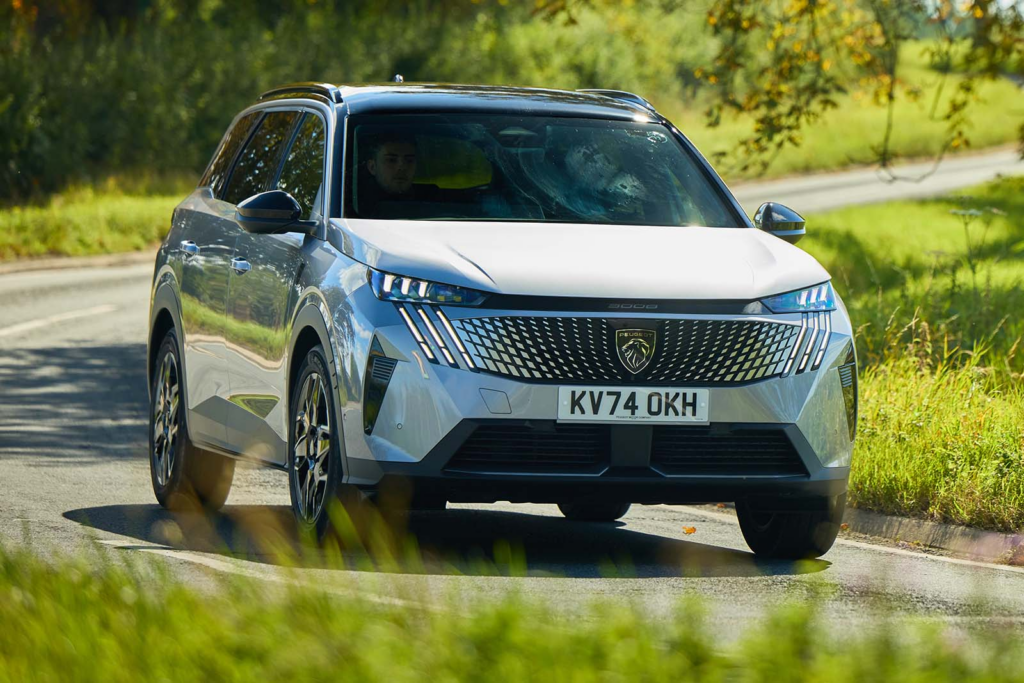
Thirdly, the go-to-market strategy must be precise. This involves identifying the most receptive markets and demographics, tailoring the product and marketing messages accordingly. For instance, in markets like North America, where SUV dominance is prevalent, a flagship SUV might be the most logical entry point. However, if the goal is to truly redefine the brand, exploring a more niche, albeit potentially higher-margin, segment like a high-performance electric grand tourer could create a more significant impact. The best electric cars for families and luxury electric SUVs for sale are segments worth exploring, but a true flagship might aim even higher, perhaps in the realm of performance electric vehicles or luxury hybrid SUVs.
Furthermore, the pricing strategy will be a delicate balancing act. It needs to reflect the perceived value and the premium positioning without alienating potential buyers or appearing out of step with the brand’s established identity. This is where careful market research and competitor analysis are vital. Understanding the cost of premium cars and how Peugeot’s offering can justify its price point will be key. The exploration of new car models with advanced safety features and innovative car interior design will undoubtedly play a role in justifying this premium.
The prospect of a new Peugeot flagship also presents an opportunity to explore emerging automotive technologies. This could include advancements in sustainable materials, biometrics for personalization, augmented reality displays, and highly intuitive AI-driven interfaces. The aim should be to create a vehicle that not only serves as transportation but also as a sanctuary, a connected hub, and a statement of personal accomplishment. The pursuit of sustainable luxury vehicles and connected car technology are areas where a new flagship can truly shine.
Let’s consider the competitive landscape more closely. Brands like Mercedes-Benz, BMW, Audi, and even upstarts like Tesla have already established strong presences in the premium and luxury segments. For Peugeot to gain traction, it needs to offer something genuinely disruptive. This could manifest as a radical departure in design language, a groundbreaking powertrain technology, or an unparalleled level of customization and personalization. The question isn’t just if Peugeot can build a car above the 5008, but how it can make that car so compelling that it becomes a must-have, a conversation starter, and a symbol of automotive excellence. This requires a deep understanding of car buyer expectations and a commitment to exceeding them. The development of new performance sedans or innovative crossover vehicles could be part of this strategy.
The financial implications of developing such a flagship are also significant. It requires substantial investment in research and development, tooling, and manufacturing. However, the potential returns, both in terms of revenue and brand equity, can be substantial. A successful flagship can trickle down its innovations and prestige to the rest of the lineup, boosting sales across the board. It also attracts a new clientele, one that may have previously overlooked Peugeot as a brand. The automotive industry outlook for electric vehicles suggests that this is a market with significant growth potential, and a flagship EV could be a game-changer.
In terms of specific product ideas, and speaking from a decade of experience observing the market and consumer desires, I believe a forward-thinking approach is essential. A meticulously crafted, all-electric grand tourer could be a strong contender. Think of a sleek, aerodynamic silhouette, a minimalist yet luxurious interior with sustainable materials, and cutting-edge technology that offers a serene and engaging driving experience. This vehicle would need to offer exceptional range, rapid charging capabilities, and a level of refinement that rivals the very best. Alternatively, a highly advanced, performance-oriented SUV that blends luxurious comfort with dynamic driving capabilities and an eco-conscious ethos could also be a viable option. The key is to identify a segment where Peugeot can offer a unique perspective and a superior experience. The development of next-generation electric vehicles and high-performance luxury SUVs are certainly on the radar.
The mention of “really different” by the brand’s leadership is the most crucial takeaway. It signals an understanding that simply slotting another car into an existing premium segment won’t suffice. Peugeot needs to innovate, to lead, and to create something that captures the imagination. This requires a willingness to take calculated risks and to push the boundaries of automotive design and engineering. The future of the automotive industry is one of constant evolution, and brands that embrace change are the ones that will thrive.
Ultimately, the decision to pursue a new flagship model above the 5008 is a strategic one with profound implications for Peugeot’s future. It represents an opportunity to redefine the brand, to attract new customers, and to solidify its position in the competitive global automotive market. While the path forward may not be fully defined, the intention to explore such a possibility is a testament to Peugeot’s ambition and its commitment to evolving with the times.
For those who believe in the enduring appeal of beautifully designed, technologically advanced, and uniquely positioned vehicles, the prospect of a new Peugeot flagship is undoubtedly exciting. The automotive world is constantly seeking fresh perspectives and groundbreaking innovations. If Peugeot can successfully navigate the complexities of developing and marketing such a product, it could usher in a new era for the brand, one defined by leadership, desirability, and a truly distinctive presence on the road. The journey ahead will be challenging, but the potential rewards for those willing to embrace a bold vision are immense. It’s time for Peugeot to not just participate in the conversation but to lead it with a truly remarkable new flagship that defines the future of the brand.